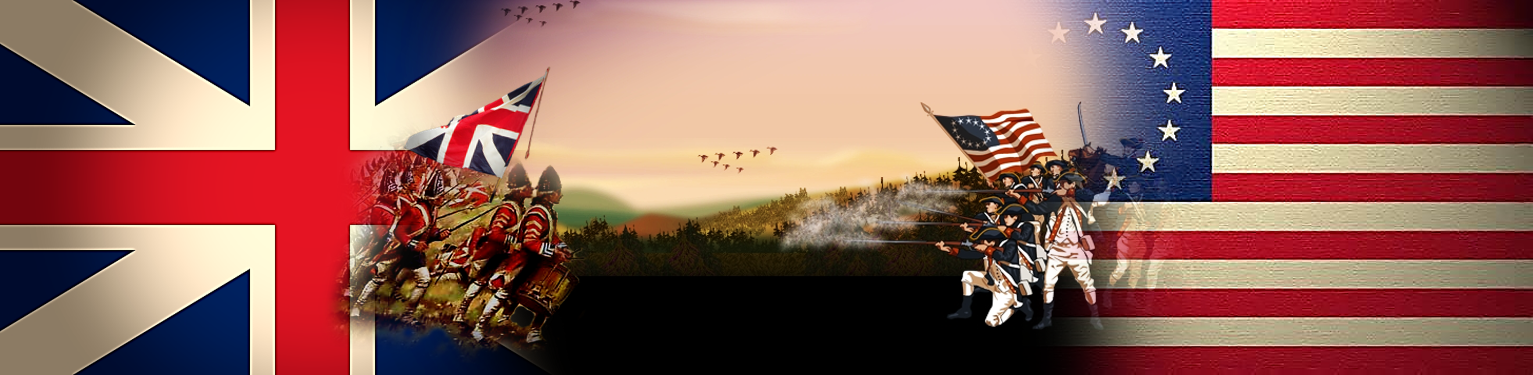

In a nation torn by shifting allegiance, a Patriot rogue and a Loyalist lady face an epic war that will shatter the barriers between them—or cost them their lives.

The Battle of Monmouth was the last major engagement fought in the northern colonies during the American War of Independence. While many historians consider it a draw, the “hot scratch” on the plains of New Jersey proved to be a turning point for the rebel cause. The spirit displayed that day sent a grim message to the British Parliament: the Continental Army had become a formidable, professional foe.
Yet, the true strength of the Revolution lay in the incomparable courage, fidelity, and resilience of America’s men-at-arms. From an assemblage of misfits, thieves, tradesmen, and highborn smugglers, a gentleman farmer from Virginia forged an army destined to change the world. They were men who, like Dalton Jameson, fought for a "Rightful Cause"—not just for a flag, but for the right to return to the fields, valleys, and villages they called home.
Following the stalemate at Monmouth, the conflict shifted southward, eventually culminating in the fall of 1781 at the small tobacco port of Yorktown, Virginia. There, besieged by allied American and French forces, General Charles Cornwallis conceded to George Washington’s demand of unconditional surrender. At two o’clock on the afternoon of Friday, October 19, 1781, six thousand redcoats marched out and threw down their arms in sullen defeat.
When the news reached London, Britain’s Prime Minister, Lord Frederick North, reportedly threw up his hands and cried, “Oh God! It is all over.”
For the soldiers of the Revolution, however, the "end" was a beginning. As the last British warships cleared New York Harbor two years later, men like Dalton and women like Alexandra turned their backs on the "gauntlet of groans" and the "lingering thrum of the battlefield." They were the pioneers of a new era, trading the sword for the plowshare to build "roomy, if not grand" houses across a fledgling new nation.
No account of this struggle would be complete without honoring its unsung heroines—the "lioness" hearts who served in field hospitals and held the home front together. Their sacrifices were the quiet bedrock of the nation. They ensured that the "brand-new stars" born in the wake of the war would grow up in a land where the day truly belonged to them.
"Liberty, when it begins to take root, is a plant of rapid growth."
--George Washington


(Contains Spoilers)
A Spirit Tested, a Victory Secured
